
Explore Moon and other sciences with Charlotte Mecklenburg Library
July 29, 2019
Did you know the Library offers databases on science? Try out one or more of these digital resources for free with your Library card and learn something new!
Celebrate the 50th anniversary of the July 1969 moon landing by exploring the great digital resources Charlotte Mecklenburg Library has on science. Our databases - for all ages - can help you explore everything from how the moon causes ocean tides, in-depth history behind NASA’s space program and discover other science topics.
What can research do? Economists have said that a third to a half of U.S. economic growth has resulted from basic research since World War II. The cars and trains that got you where you are today, your smart phones, the energy that lights your room, the clothes you wear, the food you eat: all of these were developed and improved through research.
All databases and resources can be accessed using your Charlotte Mecklenburg Library or ONE Access™ card number.
PebbleGo Science
PebbleGo Science is a research tool targeted for children grades K-3 that covers key topics in life sciences, physical sciences , Earth and space science, and engineering and technology applications of science. This online resource contains leveled text, simple navigation, and read-aloud audio accompany articles.
PowerKnowledge Earth and Space Science
This database is an online Earth & Space science resource specifically designed for learners in grades 3 to 6. Use this online resource to learn more about earth cycles, ecosystems and biomes, rocks, energy and matter, maps, natural disaster, environmental issues, space and more. It offers games and ideas for science fair projects and experiments, and presents information in text and video.
PowerKnowledge Life Science
This online resource, targeted for learners in grades 3 to 6, focused on Life Science. Topics include animals, endangered and extinct species, food chains, green living, habitats, the human body, plants and more. The site offers games, brain teasers, ideas for science fair projects and experiments, and presents information in text and video.
PowerKnowledge Physical Science
This is an online Physical Science resource designed for learners in grades 3 to 6. Topics include atoms, molecules, elements and the periodic table, energy and matter, force and motion, temperature and measurement, and more. The site offers games, brain teasers, ideas for science fair projects and experiments, and presents information in text and video.
Science in Context
This database is targeted to adults and provides reference content for many topics of interest A to Z – from 3D printing to fluid dynamics, from bees to metabolism, and from Post-Traumatic Stress Disorder to zoology. Plus, you’ll also find access to magazines, journals, news sources, experiments, and more. Science In Context covers earth science, life science, space, technology, mathematics, science history, and biography.
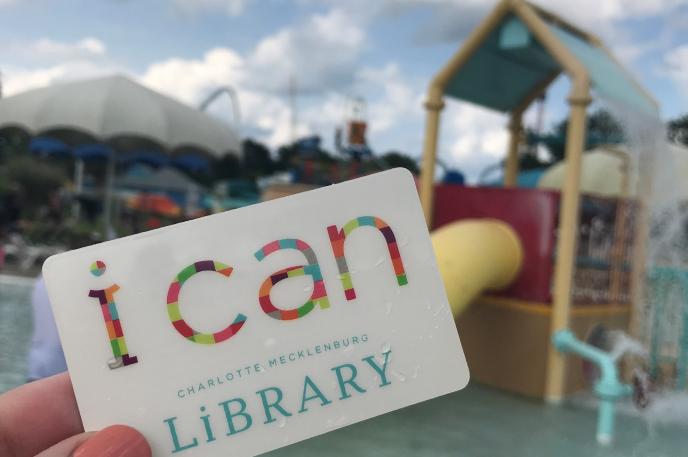

 For the second year, the Library has been honored to partner with Carowinds. Not only does Carowinds generously donate tickets to encourage our community to read and learn all summer long, but they celebrate literacy during Library Week – where library cardholders receive discounted tickets and enjoy storytimes at the theme park. Thank you, Carowinds!
 An important partner in all Library ventures is the Charlotte Mecklenburg Library Foundation. Their support this year has been crucial in facilitating programs reaching all populations – from infant storytimes and programs for people with special needs to outreach to the elderly. Thank you, Library Foundation, for contributing to the ongoing success of Summer Break!

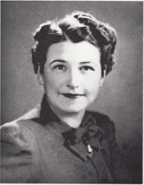 Chocolate Chip Cookies (originally known as “Toll House Chocolate Crunch Cookies”) were invented by Ruth Wakefield circa 1938. Aside from being recognized as the creator of this delicious treat, Wakefield is also known for running the Toll House Restaurant in Whitman, Massachusetts from 1938-1967 with her husband, Kenneth.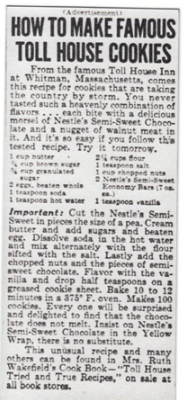
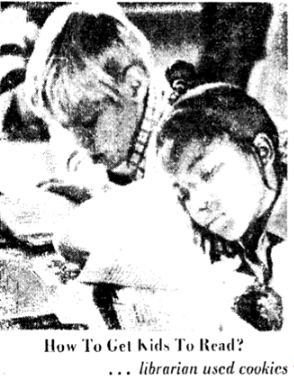 “This compulsory school education seems to be failing a large percentage of these children. It’s not coming through on its promise to educate. We’re at the library showing we can create a learning environment in which children can have a good feeling about reading, and we found that they responded in a remarkable way.” - Dennis Martin, Public Librarian
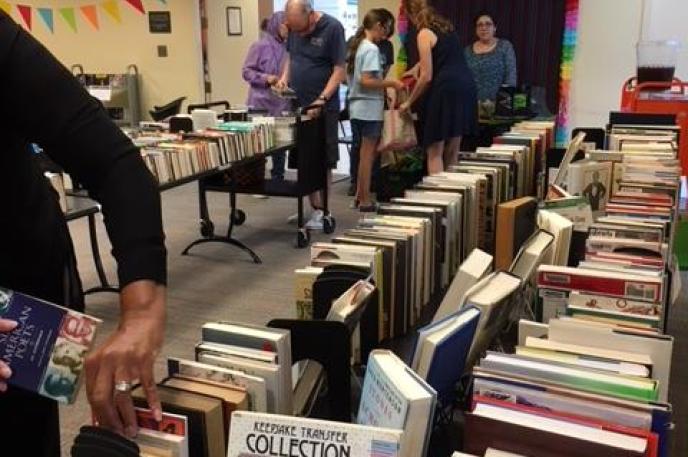
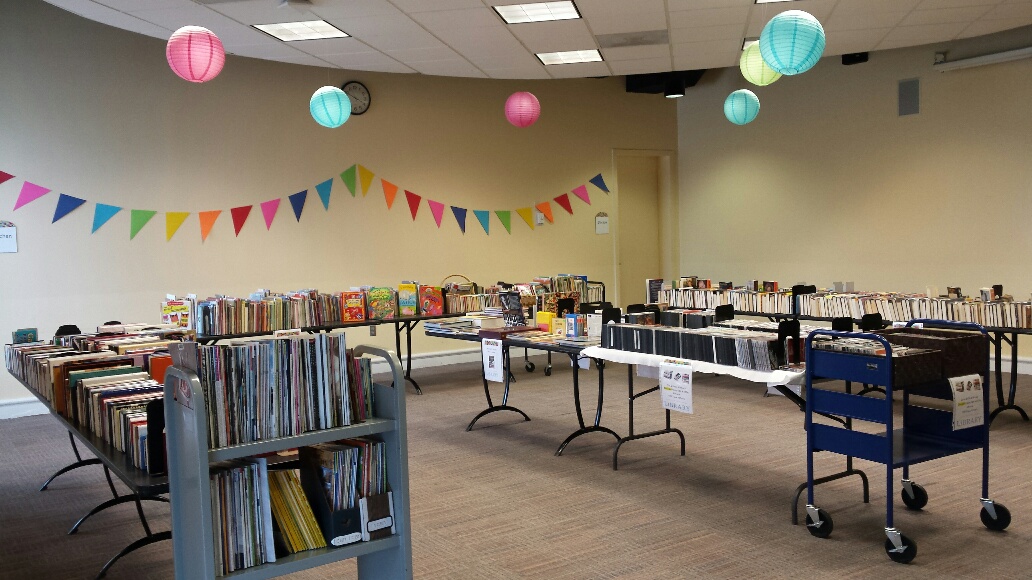
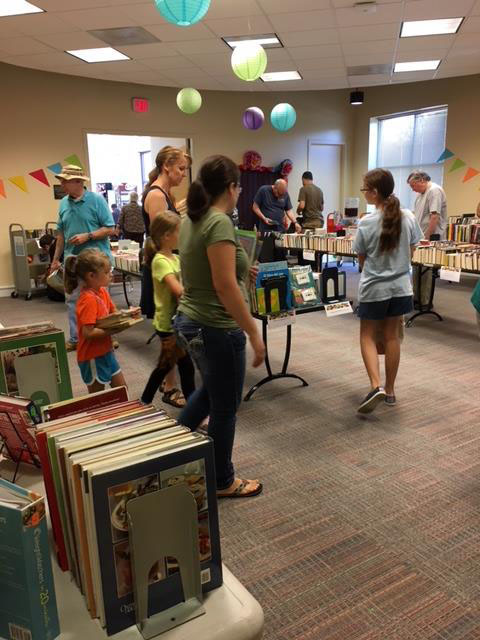 Why buy books where you can borrow them for free? Library staff member Helaine Kranz explains: “People are looking for something special. Some are teachers or parents, building a classroom or home library. Others are collectors, looking for an unexpected treasure. One customer found a vinyl record she’d been searching for, another purchased a signed copy of Jimmy Carter’s autobiography. It’s the Library version of Pawn Stars – you never know what you’ll find!”