Wait time for new book arrivals may increase. Learn more

350 of 1133 results
Thumbnail
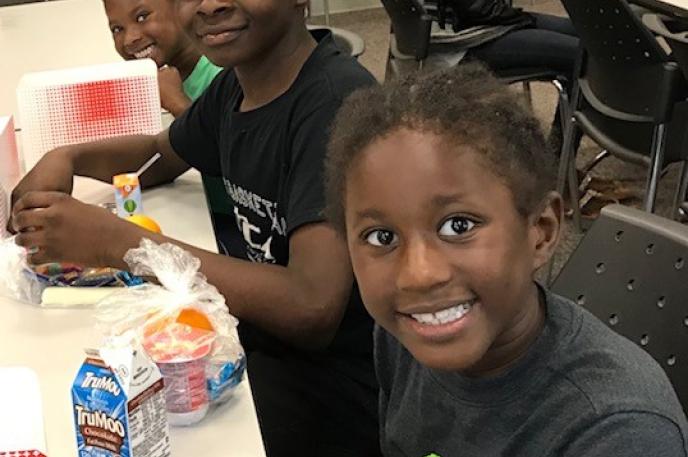
Children enjoy lunch at West Boulevard Library thanks to the Summer Food Service program, a partnership with Charlotte Mecklenburg Schools

Kids Eat Free with Charlotte Mecklenburg Library

August 1, 2019

Both West Boulevard Library and University City Regional Library are working with local organizations to provide meals to children during the summer months.

West Boulevard Library

 West Boulevard Library is partnering with Charlotte-Mecklenburg Schools (CMS) to serve as a meal site for the CMS' Summer Food Service Program, which is funded through the U.S. Department of Agriculture and administered through the NC Department of Public Instruction.

The Summer Food Service Program provides nutritious meals at no cost to help children in low-income areas get the nutrition they need to learn, play, and grow throughout the summer months when they are out of school. Through the program, children ages 1-18 receive meals at no cost and all meals meet nutrition standards based on federal guidelines. 

West Boulevard is serving as a site only on Thursdays, with lunch served from 1:15 p.m. to 1:30 p.m. The Library also offers programs for children that begin after lunch ends.

Teresa Cain, children’s librarian at West Boulevard participated in a similar program at a Virginia library. Last summer, she took branch leader LaJuan Pringle and fellow librarian Abrar Alkusaimi to see the program in action at Social Services. After seeing the impact of the program, Pringle knew this would be a great fit for the community West Boulevard serves. Cain then worked with CMS Summer Food Services to offer it at West Boulevard. 2019 is the first year Charlotte Mecklenburg Library is participating in this program.

Cain says, “Charlotte-Mecklenburg Schools’ Summer Food Services is  eager to work with libraries. All their other locations serve meals every weekday. When I told them that we only had staffing to handle a once a week program, they made a special exception for us. They're hoping to include more Library locations next year.”

The Library has quite a few families who attend every single lunch program which, according to the experts, indicates that they are seriously in need of help.

Cain adds, “As soon as we started promoting the Free Lunch programs, our customers, even those who don't have children were so excited. They felt we really understood the needs of the community we are serving, needs that go outside the boundaries of typical library services. Even people who did not stand to benefit from the program really appreciated that we were offering it.” 

So what are people saying about the impact of the program at West Boulevard?

Jose, the CMS driver/server, said, he “…loves coming to our location. Every single one of our kids said "thank you" when given a meal. This almost never happens at other locations.” Jose wants to come back again next year.
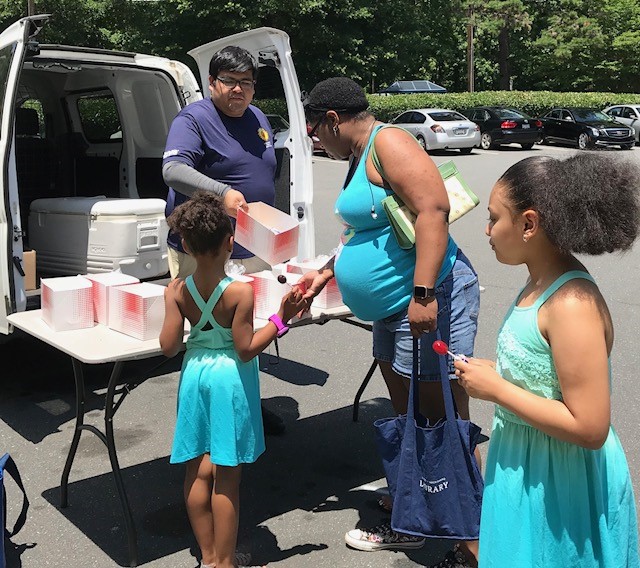


“The Library offers program after the lunch, and most of the families stay, even the families who have never been to a library program before. It's been a great way to build relationships with new customers in the community and to introduce them to all the possibilities that are available for free at the library. Says Cain, “We see many customers who originally just came for free lunches take advantage of other programs and using computers or free Wi-Fi.”
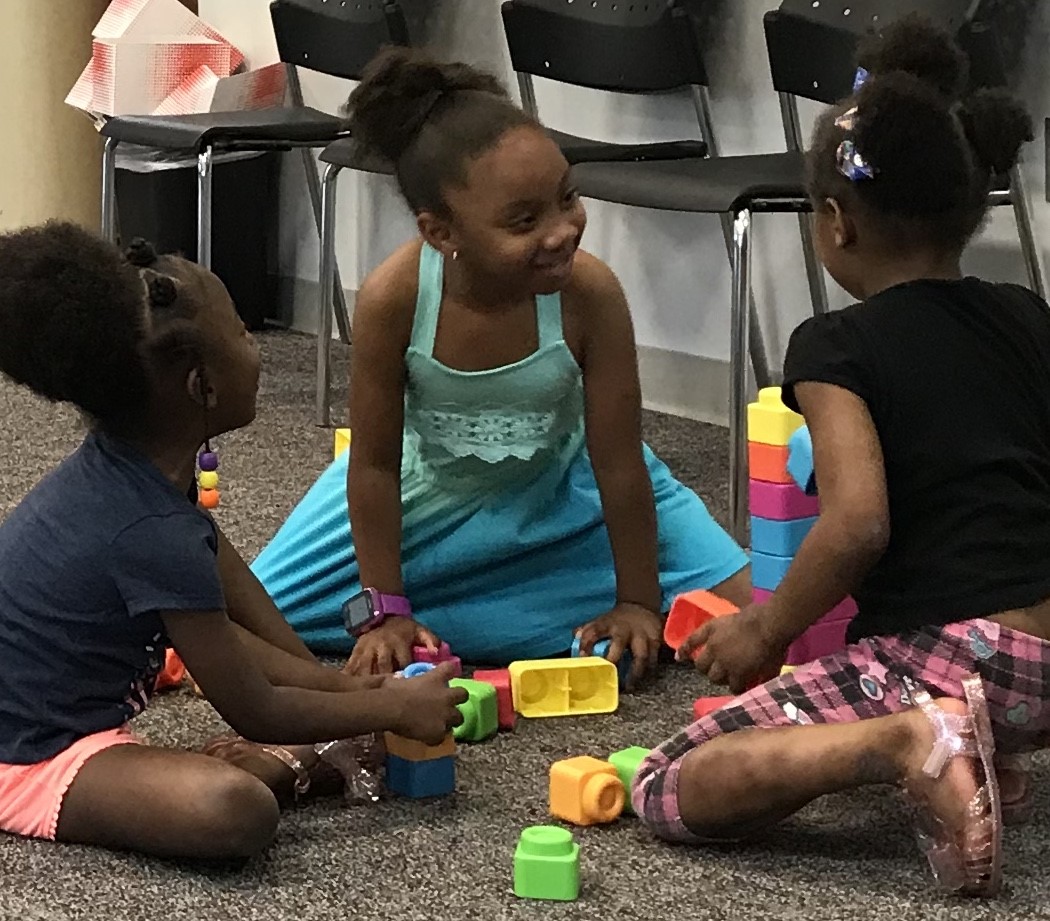


Working with CMS and offering the free lunch program is just the tip of what the Library can do with community partners.

The lunch program began at West Boulevard Library on June 13, 2019 and ended August 1, 2019. The branch plans to participate next year. 

University City Regional Library

Kids Eat Free at Atrium Health University City is a service the hospital provides for all kids ages 18 and younger. They provide two free healthy meals (breakfast and lunch) daily Monday through Friday.  University City Regional Library, in its third years with the program, works with Atrium Health and Sodexo to educate and entertain children partaking in the free meals.


On Tuesdays and Thursdays, University City Regional Library sets up an information table and interactive activities from 11 a.m. to 1 p.m. for the children who come to the hospital for a meal.  They also take books for kids to read as well.   
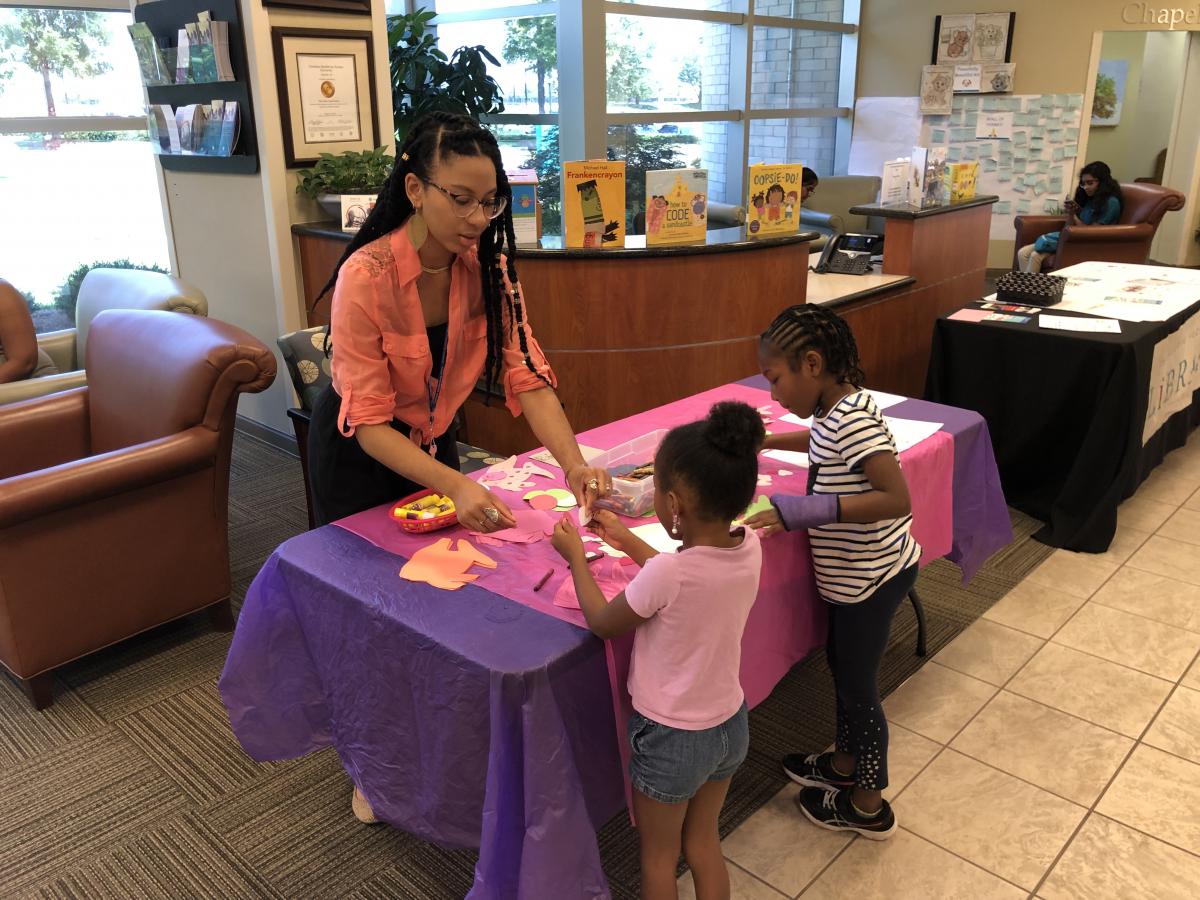


Jonita Edmonds, University City Regional Library’s branch leader, shared this story from one of the library’s visits at the hospital: “One day our librarians brought LEGOs and Alpha-Bots to a table at Kids Eat Free. Several groups of kids walked past, excited to see the LEGOs, and with one group, the leader told the kids they needed to eat before joining the activity. After eating, the group hurried back to interact at the table. One of the doctors came out and asked them friendly questions while playing. With each group of children, we were able to share library programs and resources, and parents were excited to know that we had LEGOs and other activities at the library. Some families said they would head to the library after eating for entertainment.”

The Kids Eat Free program kicked off on June 10 and ends on August 22, 2019.



Thumbnail
This history of America's favorite cookie as told by the Charlotte Mecklenburg Library's Robinson-Spangler Carolina Room team.

National Chocolate Chip Cookie Day is August 4

August 1, 2019

Chocolate Chip Cookies (originally known as “Toll House Chocolate Crunch Cookies”) were invented by Ruth Wakefield circa 1938. Aside from being recognized as the creator of this delicious treat, Wakefield is also known for running the Toll House Restaurant in Whitman, Massachusetts from 1938-1967 with her husband, Kenneth.  
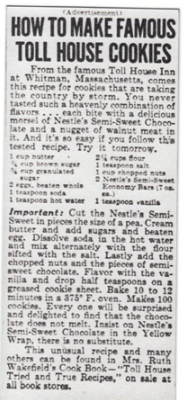
The reason for the esteemed cookie’s creation varies. Some believe that Wakefield ran out of nuts and substituted small pieces baker’s chocolate, and others think an industrial mixer bumped a shelf with chocolate, while being moved, and caused chocolate to fall into the cookie dough. Perhaps the more realistic story is that Wakefield created the Chocolate Chip Cookie “by dint of training, talent, and hard work”, knowing that the combination of these ingredients would live on as an American classic.   

In 1939, Wakefield sold Nestlé the rights to reprint her cookie recipe on their packages for $1. Story has it that she got free chocolate for life -- not a bad deal in our opinion.  

“Like Spam and Coca-Cola, Chocolate Chip Cookies’ fame was boosted by wartime soldier consumption. Before the war they were a largely East Coast-based fad; after Toll house cookies rivaled apple pie as the most popular dessert recipe in the country.”  -Carolyn Wyman, ‘Great American Chocolate Chip Cookie Book’   

Interestingly enough, Wakefield’s Chocolate Chip Cookies also served a patriotic purpose. The dawning of World War II made these cookies more popular with wives, mothers, aunts, nieces, sisters and girlfriends baking and sending them to American soldiers overseas. The Toll House Restaurant sent thousands of Chocolate Chip Cookies for wartime consumption.  

After the war ended, Pillsbury and Nestlé both popularized refrigerated cookie dough while Nabisco, Famous Amos, Mrs. Fields and David’s Cookies eventually sold pre-made cookies in grocery stores in the 1950s.  

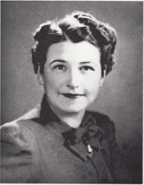
“This compulsory school education seems to be failing a large percentage of these children. It’s not coming through on its promise to educate. We’re at the library showing we can create a learning environment in which children can have a good feeling about reading, and we found that they responded in a remarkable way.” - Dennis Martin, Public Librarian 

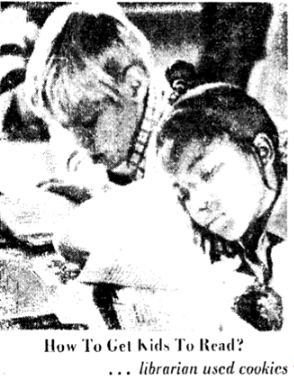
In 1979, a Los Angeles public librarian named Dennis Martin used Wakefield’s cookie to incentivize children to learn how to read. Martin founded the “Super Reader” program, which rewarded children with Chocolate Chip Cookies for reading library books.  

The results of the three-month program revealed that circulation of children’s books at one of the suburban branches increased by 86 percent, with over 500 children earning cookies. This was particularly exciting news given that, at that time, most children in LA schools did not read at their grade level.  

Although there was controversy over incentivizing reading in this way, Martin’s library program gained the support of public school teachers and helped to change the trend of children’s literacy programs. Reading Clinic Director at CSU-LA, Delwyn Schubert, explained, “I do feel extrinsic rewards have their place... [Youngsters] have to be primed a bit. In Mr. Martin’s case, the cookie is like the primer. Then once the youngster gets reading, maybe he will read for his own sake and the reward will be intrinsic.” 

Martin did clarify saying that the reward program would not fix the root of the reading problem, but that it was a sweet way to start trying.  

Want to bake some your own version of Chocolate Chip Cookies? Try out some of these recipes created by local Charlotteans. Recipe books are housed in the Robinson-Spangler Carolina Room on the third floor of Main Library. 

Recipe #1


Recipe #2


Recipe #3


Recipe #4


Citations: 

Associated Press. “He Used Cookie Bribes to get Kids to Read.” Charlotte Observer. (Charlotte, NC), May 3, 1979. Accessed July 2019. 

Michaud, Jon. “Sweet Morsels: A History of the Chocolate Chip Cookie.” Culture Desk. The New Yorker. December 19, 2013. Accessed July 2019.  

Public Library of Charlotte Mecklenburg County. Public Librarians Cook Marvelous Creations: Now you can cook like a librarian! Charlotte, NC: Staff Organization of PLCMC, 2002. (NCR 641.59756 P976) 

Roberts, Sam. “Overlooked No More: Ruth Wakefield, Who Invented the Chocolate Chip Cookie.” New York Times. (New York, New York), March 22, 2018. Accessed July 2019. 

The Guild of Discovery Place and Charlotte Nature Museum. Recipes & Reminiscences: Celebrating 50 Years. (Kearney, NE: Morris Press Cookbooks, 2011. (NCR 641.59756 R297) 

The Junior League of Charlotte, Inc. Charlotte Cooks Again. Charlotte, NC: The Junior League of Charlotte, North Carolina, 1981. (NCR 641.59756 M43c J95ca 1999) 

The Junior League of Charlotte, Inc. Dining By Fireflies: Unexpected Pleasures of the New South. Charlotte, NC: The Junior League of Charlotte, North Carolina, 1994. (NCR 641.59756 Dining OVERSIZE) 


Thumbnail
August 6, 2019 is National Night Out.  Learn how you can get involved with the Charlotte Mecklenburg Library.

Leave your porch light on Tuesday, August 6!

August 5, 2019

National Night Out is a nationwide event that promotes community awareness and builds police-community relationships. This annual event began in 1984 and is held in more than 20,000 communities and neighborhoods across the United States and Canada. 

More than 70 events are being held around Mecklenburg County this year; find an event near you here, or check with your neighborhood association’s social media. Check the social media app NextDoor for events, alerts and news unique to your neighborhood. It’s also a great way to find events hosted by your local library! 

Here are some ways the Charlotte Mecklenburg Library branches will participate this year:

The Matthews Library will participate in the town of Matthew’s National Night Out event on the Town Green--right outside the library. Community organizations, including the Matthews Police Department’s K-9 unit, will be on hand to share information about keeping your neighborhood safe. Stop by the library tent or head inside the library to say hello to your neighbors and staff, learn about upcoming library programs and escape the summer heat!  

The Myers Park Library will join Grier Park apartments for their 36th Annual National Night-Out Celebration event on Tuesday, August 6 from 5-8 p.m. The Library will table the event, providing literacy activities, giveaways, registering attendees for Summer Break and for Library cards.

The Davidson Library will attend the town of Davidson’s National Night Out. The Library will table this event, providing Library information and an activity for kids.  This event is from 5-7 p.m. and the town will provide FREE food!

Sugar Creek Library will participate in Hidden Valley National Night Out from 4-8 p.m., University City Regional Library will join the Hammond Lake Community on Rubin Lura Court from 6-8 p.m. and the West Boulevard Library will participate in National Night Out festivities at the Arbor Glen Outreach Center.

You can also participate by leaving your porch light on from 7-10 p.m. This symbol of awareness serves as a welcoming and friendly signal to your neighbors. 

Check out these community-building ideas and resources—all free with your library card:

  • Hold a backyard Movie Night with family-friendly movies from Hoopla!  We recommend Swiss Family Robinson or The Shaggy Dog.   
  • Get to know your neighbors on your street by throwing a progressive dinner; every household makes a different course of the meal.  Try The Southern Living Party Cookbook for menus and inspiration.
  • Host a block party with recipes from Nancy Vienneau’s Third Thursday Community Potluck Cookbook or Ashley English’s Handmade Gatherings
  • Meet your friendly neighborhood firefighters from Station 24 at South County Regional Library Monday, August 19 at 10 a.m.
  • August is a great time for an ice cream social! If you don’t have an ice cream machine, make more than 100 frozen treats with Leslie Bilderback’s No-churn Ice Cream.
  • Start a neighborhood book club with a free book club kit available for checkout! See a full list of titles here
  • Attend a lecture by our Historian-in-Residence Tom Hanchett. He’ll be at our Steele Creek, Morrison and Myers Park libraries this fall speaking about the history of various Charlotte neighborhoods. 
  • Enhance your neighborhood or community by attending workshops provided by the City of Charlotte. Attend a pre-registration workshop or learn more about the program here
  • Support your local small businesses by starting your own business! Learn how to get started by attending SCORE workshops at various library branches throughout the year or Aspire Community Capital workshop at our West Boulevard Library.

Build a safer, stronger neighborhood with the Charlotte Mecklenburg Library!

Thumbnail
The View the Right Thing film series at the Charlotte Mecklenburg Library honors filmmaker Spike Lee and his cinematic greats.

View the Right Thing film and discussion series comes to the Library

August 6, 2019

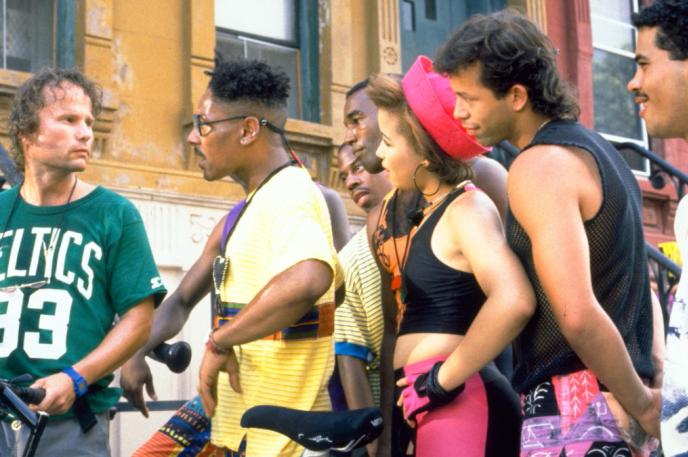
It’s been 30 years since “Do the Right Thing,” a Spike Lee Joint, hit the big screen.

If ever there were a time to relive the hype, the time is now. Considered controversial at the time of its release in 1989, “Do the Right Thing” is a film that dives deep into issues centered on race, politics and what it means to “fight the power” of the establishment. Viewers of the film get to explore rich, cultural themes and experience hot-button issues from gentrification to socioeconomic nuances that are still relevant in today’s world.

The film, centered in the Bedford-Stuyvesant neighborhood of Brooklyn, New York, tells the story of the hottest day of the year, when hatred, bigotry and tempers boil over into physical violence. This film, the first in the Charlotte Mecklenburg Library's "View the Right Thing" film and discussion series, stars Spike Lee, Rosie Perez, Danny Aiello, Samuel L. Jackson and more.

During the film series, attendees will have the opportunity to explore both the work of Spike Lee and other filmmakers inspired by his work.

Please note that all screenings will take place at Beatties Ford Road Regional Library except for the first and final movies of the series which will be shown at Hickory Grove Library and the Harvey B. Gantt Center for African-American Arts + Culture respectively. The complete schedule for the series can be found here or as follows:

1. Saturday, August 17, 2019

“Do the Right Thing” at 1 p.m. at Hickory Grove Library

2. Saturday, September 21, 2019

“Get on the Bus” at 1 p.m.

3. Saturday, October 19, 2019

“School Daze” at 1 p.m.

4. Saturday, November 16, 2019

“Higher Learning” 1 p.m.

5. Saturday, December 21, 2019

“Boyz n the Hood” at 1 p.m.

6. Saturday, January 18, 2020

“Eve’s Bayou” at 1 p.m.

7. Saturday, February 15, 2020

"Malcolm X" at 1 p.m. at the Harvey B. Gantt Center for African-American Arts + Culture

All films in the series will be followed by discussion. Courteous and respectful dialogue is encouraged.

We look forward to “Viewing the Right Thing” with you!

Thumbnail
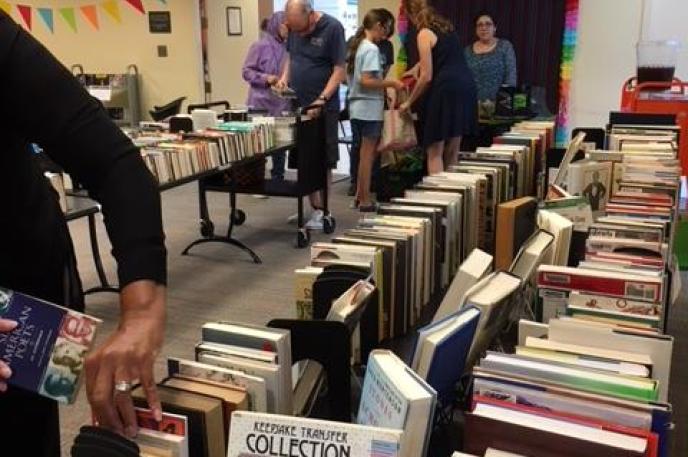
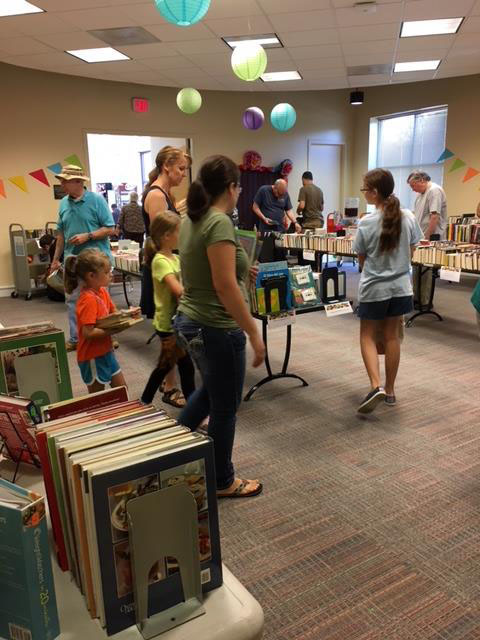
Library customers browse the 2018 Big Book Sale at Independence Regional

Big plans for a big sale

August 6, 2019

They call it “The Huge One.”

Most Charlotte Mecklenburg Library locations have a small selection of books for sale year-round. But once a year, Independence Regional Library holds a sale worthy of a special trip. The Big Book Sale began in 2016 and it’s grown exponentially every year since – this year it will take over the Library’s lobby for four days: Wednesday, August 21, 2019 through Saturday, August 24, 2019.

Why buy books where you can borrow them for free? Library staff member Helaine Kranz explains: “People are looking for something special. Some are teachers or parents, building a classroom or home library. Others are collectors, looking for an unexpected treasure. One customer found a vinyl record she’d been searching for, another purchased a signed copy of Jimmy Carter’s autobiography. It’s the Library version of Pawn Stars – you never know what you’ll find!”
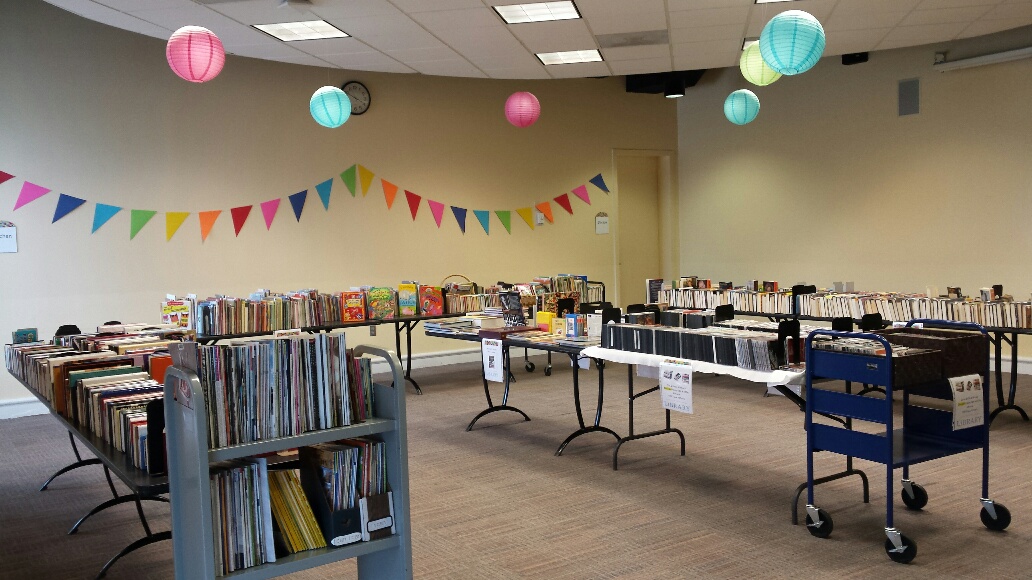
 

Library staff collects books, records, CDs, VHS tapes and DVDs for the sale all year – many are donated by patrons or “weeded” from the Library’s collection, and staff put aside antique, signed, or rare books for a special collections table. Most materials will sell for under $1, with specialty items priced accordingly.


Revenue from the Big Book Sale – and all book sales – support the whole Library system. Together with other branch revenue like fines and fees, book sale proceeds support systemwide needs like maintenance, training and travel, marketing and professional development.

Kranz beams as she reflects: “Customers really look forward to this, and it’s so satisfying for us to see people find an item with special meaning for them. The Big Sale brings us all joy.”

And that’s huge.

Thumbnail
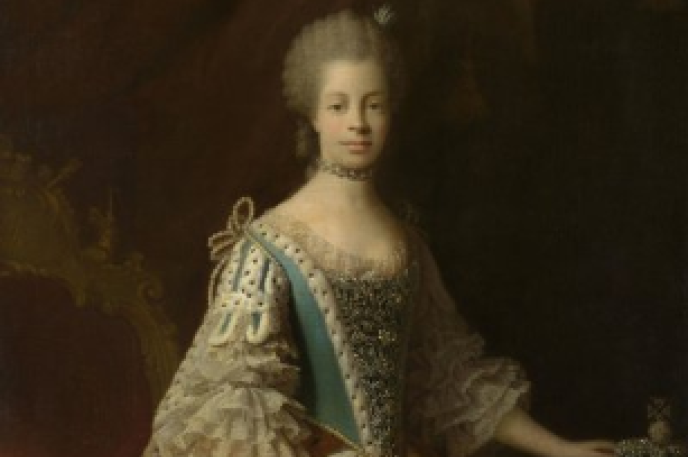
A portrait of Queen Charlotte of Mecklenburg. Find a hand-written letter from the Queen at the Charlotte Mecklenburg Library.

Why is Charlotte called the Queen City?

September 4, 2019

Charlotte, North Carolina, was first settled after colonists made their way down the Great Wagon Road. Northern colonies in Pennsylvania, Maryland and Virginia had become crowded, so settlers went south to seek religious and economic freedom, as well as to take advantage of quality farmland. Native Americans used this trail for hunting, trading, and war long before the settlers used it to migrate south. The Native Americans named the trail “Warriors Path.” 


Conestoga Wagon, courtesy of Wikimedia. 

Before Charlotte was chartered in 1768 by the colonial North Carolina General Assembly, settlers called the area “Charlottetowne” after Queen Charlotte Sophia of Mecklenburg-Strelitz. The settlers sought to honor Queen Charlotte’s husband, King George III, as well as to sway Assemblymen into making Charlotte the site of the county courthouse as a political bid. Courthouses enabled cities to grow economically by serving as a hub for visitors and business during quarterly sessions. The Assemblymen chartered the city of Charlotte in 1768 and entitled the city to a courthouse and a prison.  

The charter reads: 

“Be it therefore Enacted, by the Governor, Council, and Assembly, and by the Authority of the same, That the said Three Hundred and Sixty Acres of Land, so laid off by the Commissioners or Trustees as aforesaid, be, and the same is hereby constituted, erected, and established, a Town and Town Common, and shall be called by the name of Charlotte.” 

-- Acts of the North Carolina General Assembly, 1768; North Carolina. General Assembly; November 07, 1768 - December 05, 1768; Volume 23, Pages 759-783; CHAPTER XI. 


1766- The First Mecklenburg County Courthouse (modern interpretation). Courtesy of the Robinson-Spangler Carolina Room. 

Mecklenburg County, the county in which the city of Charlotte exists, was also named in honor of Queen Charlotte. Charlotte’s birthplace was Mecklenburg-Strelitz, which is a province in present-day northern Germany. Queen Charlotte never actually visited our city, but one of her handwritten letters is housed at the Robinson-Spangler Carolina Room in the Main Library: 


Queen Charlotte Letter, 1812. Courtesy of Charlotte Mecklenburg Library, Robinson-Spangler Carolina Room. 


Who was Queen Charlotte anyway?   


George III (1738-1820), Queen Charlotte (1744-1818) and their Six Eldest Children. Courtesy of Zoffany Royal Collection Trust/© Her Majesty Queen Elizabeth II, 2014. 

Queen Charlotte Sophia was born in Mecklenburg-Strelitz (in the Holy Roman Empire) in 1744, to Duke Charles Louis Frederick of Mecklenburg and Princess Elisabeth Albertine of Saxe-Hildburghausen. As a child, she was educated by a priest in botany, natural history and language, but focused her studies in housekeeping and religion. As demonstrated by the letter above, Charlotte learned how to read and write. These were rare skills for women during that time—her royal status permitted her to have access to education through multiple tutors.  


Unfinished portrait depicting the marriage of George III to Charlotte of Mecklenburg-Strelitz on 8 September 1761, Sir Joshua Reynolds. Courtesy of Royal Collection Trust. 

At 17 years old in 1761, Charlotte was engaged to King George III. She was an attractive option to wed because she was born in an “insignificant” part of Europe and would likely have no interest in politics; she was instructed by George III after their wedding “not to meddle” in politics, which she obeyed. However, she did have indirect political influence—she used her closeness to George III to keep herself informed and to recommend office appointments, as well as keep German interests in mind. She did not speak English at first but learned quickly. One observer commented, "She is timid at first but talks a lot, when she is among people she knows."  


View of Buckingham House from WH Pyne, The History of the Royal Residences, 1819 (Courtesy of the British Library).

Although St. James Palace was the official Royal residence, Queen Charlotte fell in love with Buckingham House, which she and George III moved into shortly after purchasing. She gave birth to 14 of her 15 children in the house that eventually became known as “The Queen’s House.” This property is now popularly known as Buckingham Palace. 


Wolfgang Amadeus Mozart Opus 3 Dedication Page. Courtesy of Bibliorare. 

Queen Charlotte had a passion for music, so she brought a harpsichord with her from Germany and took lessons from Johann Christian Bach, son of Johann Sebastian Bach. Wolfgang Amadeus Mozart once played the organ as Queen Charlotte sang on a family trip to England when he was 8 years old. Mozart later dedicated his Opus 3 to his beloved queen. On the dedication page he wrote, “Filled with pride and joy at daring to offer you a tribute, I was finishing up these sonatas to be laid at the feet of your Majesty [Queen Charlotte]; I was, I confess, drunk with vanity and thrilled with myself, when I spied the Genius of Music at my side.”  


Queen Charlotte (1744-1818) by Sir Allan Ramsay, ca. 1761-1769. Courtesy of Royal Collection Trust, https://www.rct.uk/collection/402413/queen-charlotte-1744-1818 

According to some genealogists, Queen Charlotte is informally considered the second biracial Queen of England. She was purportedly a direct descendent of Margarita de Castro e Sousa, a member of the African branch of the Portuguese Royal House. Early portraits of the Queen show that Charlotte had hints of African physical attributes. Sir Allan Ramsay painted many portraits of Queen Charlotte, seen above. Writings from the period also alluded to her “mulatto” appearance, meaning “one with mixed black and white ancestry.”  

As anti-slavery movements in England became more prevalent, royal portrait painters were instructed to soften “undesirable” features in their subjects’ faces. This included making Queen Charlotte’s skin tone appear lighter and manipulating other physical features. In fact, Ramsay’s Coronation portrait of Charlotte was distributed in England and the colonies to subtly stoke anti-slavery sentiment due to the prevalence of Charlotte’s African features.  


A photo of Kew Gardens, the royal botanical garden Queen Charlotte helped maintain. Photo by Kew Gardens. 

Queen Charlotte had a keen interest in botany and played a large role in expanding and preserving Kew Gardens, the Royal botanical gardens in Kew, England. She was known by the British public as the “Queen of Botany,” and botanists named the Bird of Paradise, a flower native to South Africa, the Strelitzia reginae in her honor. Charlotte turned to botany when she struggled with her mental health, which is when she planned the gardens of the Frogmore House in Windsor.  

Queen Charlotte was also a philanthropist, founding several orphanages in England. She founded and was named the Patron of the General Lying-in Hospital in London, which was later named The Queen’s Hospital and is now known as The Queen Charlotte’s and Chelsea Hospital. Queen Charlotte was also known to offer aid to poor families, as well as helped struggling musicians. 

--

Sources:  

Blakemore, Erin. “Meghan Markle Might Not Be the First Mixed-Race British Royal.” History. https://www.history.com/news/biracial-royalty-meghan-markle-queen-charlotte. Accessed August 2019. 

Cooper, Jean L. and Angelika S. Powell. “Queen Charlotte’s Letters.” http://people.virginia.edu/~jlc5f/charlotte/letter_intro.html. Accessed August 2019.  

“England’s 18th Century Black Queen, Sophie Charlotte born.” AAREG. https://aaregistry.org/story/englands-first-black-queen-sophie-charlotte-born/. Accessed August 2019. 

Fraser, Flora. “Princesses: The Six Daughters of George III.” New York: Knopf, 2005. (CML Call No. 941.073 Fraser) 

Hanchett, Tom. “The History of Charlotte.” Charlotte. https://www.charlottesgotalot.com/articles/history/the-history-of-charlotte. Accessed August 2019. 

Hedley, Olwen. “Queen Charlotte.” London: J. Murray, 1875. (NCR B C479c H455) 

“History Timeline, Rural Beginnings 1730-1772, 1776- The First Mecklenburg County Courthouse.” Charlotte Mecklenburg Story. https://www.cmstory.org/exhibits/history-timeline-rural-beginnings-1730-1772/1766-first-mecklenburg-county-courthouse. Accessed August 2019. 

“History Timeline, Rural Beginnings 1730-1772, 1768- Charlotte Chartered.” Charlotte Mecklenburg Story. https://www.cmstory.org/exhibits/history-timeline-rural-beginnings-1730-1772/1768-charlotte-chartered. Accessed August 2019.  

Jackson, Marshall R., III. “Great Wagon Road.” NCPedia.  https://www.ncpedia.org/great-wagon-road. Accessed August 2019.  

“Queen Charlotte (19 May 1744- 17 November 1818.” The Royal Family. https://www.royal.uk/. Accessed August 2019. 

Valdes y Cocom, Mario de. “The Blurred Racial Lines of Famous Families: Queen Charlotte.” South Carolina etv. https://www.pbs.org/wgbh/pages/frontline/shows/secret/famous/royalfamily.html.  

Walk-Morris, Tatiana. “Five Things to Know About Queen Charlotte.” Smithsonian Magazine. https://www.smithsonianmag.com/smartnews-arts-culture/5-things-you-didnt-know-about-queen-charlotte-180967373/. Accessed August 2019. 

Thumbnail
Join Charlotte Mecklenburg Library this November for fun, educational programs and activities in celebration of National Family Literacy Month.

Celebrate National Family Literacy Month with the Library

October 28, 2020

It’s November and Charlotte Mecklenburg Library is celebrating National Family Literacy month! According to the Handbook of Family Literacy, family literacy refers to the spoken and written communication within a family, as well as the family’s efforts to improve and support a child’s literacy and language development (Van Horn, 2012). It’s no secret that reading is beneficial for children, and families reading together is a huge indicator for schooling success. But what you may not know are the many ways you can improve literacy by involving the whole family! Check out these ten activities, programs and resources available at Charlotte Mecklenburg Library to support your family literacy (Note: they are available all year, not just in November!).

  1. Check out our curated reading lists by grade level and place books on hold to pick up at your local branch location! All Library locations are now open with expanded services, meaning your family can visit the Library to browse and check out books in person too.
  2. Utilize our digital e-book resources (hoopla, NC Kids Digital Library and OverDrive to name a few) to read on a screen with distant family members in a video chat session. (We do this daily through our Reading Buddies program.)
  3. Create pictures or puppets to bring stories you have read to life! Involving the whole family in retelling stories helps children understand how stories are developed and understand character responses.
  4. Visit five parks in Mecklenburg County and enjoy a StoryWalk ®.  StoryWalks® are opportunities for children and families to enjoy two great things - reading and outdoor spaces - at the same time. A StoryWalk® is literally taking apart a picture book, placing each laminated page in a weather-protected frame, and placing these frames in an outdoor space so that children and families can enjoy books in an outdoor setting. Get the whole family involved with special questions that are placed along the path for you to discuss as well!
  5. Utilize Active Reading to keep your reader engaged and to improve language, comprehension and vocabulary skills. Not sure how to use the practice of Active Reading? Sign up to take an Active Reading Training today.
  6. Text is all around if you look for it – on items of mail, newspaper articles, road signs, board game directions and more! Have younger readers go on a letter hunt for specific letters or letter sounds and invite older readers to read the text aloud and discuss the author’s purpose for writing the text.
  7. Use recipes for a tasty family literacy activity! Read recipes with your child and practice following directions as you complete each step. Check out these family recipe books if you need inspiration.
  8. Round up the whole family and participate in a virtual program with our Charlotte Mecklenburg Library staff! Story Explorers, Storytimes, and more are available on the calendar each week for you to register and receive a Zoom link to participate.
  9. Remember, literacy does not only involve reading, but also writing! Write a story about a special event that happened in your family or interview a family member about something that happened in the past and record responses. You may even want to create a family journal where the family can respond in writing to each other!
  10. We’ve saved the best for last! You are invited to Charlotte Mecklenburg Library’s inaugural Virtual Family Literacy Night on November 17, 2020 at 6 p.m. The whole family will enjoy singing, dancing, puppeteers and a few literacy tips along the way. All children that attend will receive a free coupon for a book and Frosty from Wendy’s! Sign up and learn with us.

Great literacy practices begin at home. When children see a parent or caregiver reading and writing, they are more inclined to place importance in reading and writing as well. We invite you to make Charlotte Mecklenburg Library an extended member of your family as we champion family literacy!

Thumbnail
Stay connected while staying home with virtual programming from the Library.

Virtual Programming from the Library - Week of 11/2/20

October 28, 2020

Did you know that you can continue to stay connected to the Library while staying home? How would you like to participate in a virtual storytime with your family or receive resume help all from the comfort of your couch? Join Charlotte Mecklenburg Library every week for a wide range of virtual programming for children, teens and adults. See a complete listing of this upcoming programming for the week of 11/2/2020 below. Click the corresponding links for more information and register for programs where applicable.

Learn more about online programming by clicking here


Monday 11/2

Family Storytime – 9:30 a.m. (Children's programming)  learn more

Book a Librarian - Nonprofit Services – 11 a.m. (Adult programming)  register

One-on-One Tutoring and Enrichment – 11 a.m. (Children’s programming)  register

Virtual Reading Buddies – 11 a.m.  (Children's programming)   register

Virtual Reading Buddies – 12 p.m.  (Children's programming)   register

Mindful Mondays - Guided Relaxation and Meditation – 12 p.m. (Adult programming)  register

Virtual Reading Buddies – 1 p.m. (Children's programming)  register

One-on-One Tutoring and Enrichment – 2 p.m. (Children’s programming)  register

Virtual Reading Buddies – 2 p.m.  (Children's programming)   register

Book a Librarian – Technology – 2 p.m. (Adult programming)  register

One-on-One Tutoring and Enrichment - 3 p.m. (Children's programming)  register

Virtual Reading Buddies – 3 p.m. (Children's programming)   register

One-on-One Tutoring and Enrichment - 4 p.m. (Children's programming)  register

Virtual Reading Buddies – 4 p.m.  (Children's programming)  register

Stronger Together: Support for your Job Search – 4 p.m.  (Adult programming)  register

One-on-One Tutoring and Enrichment - 5 p.m. (Children's programming)  register

Virtual Reading Buddies – 5 p.m.  (Children's programming)   register

One-on-One Tutoring and Enrichment – 6 p.m. (Children's programming)  register

Virtual Reading Buddies – 6 p.m.  (Children's programming)   register

True Crime Podcast Discussion Club – 7 p.m.  (Adult programming)  register


Tuesday 11/3        

Family Storytime – 9:30 a.m. (Children's programming)  learn more

Book a Librarian - Business Research – 11 a.m. (Adult programming)   register

Virtual Reading Buddies – 11 a.m.  (Children's programming)   register

One-on-One Tutoring and Enrichment - 11 a.m. (Children's programming)  register

Virtual Reading Buddies – 12 p.m.  (Children's programming)   register

Career Development Intensive Coaching – 12 p.m. (Adult programming)  register

Career Development Intensive Coaching – 12:30 p.m. (Adult programming)  register

Virtual Reading Buddies – 1 p.m.  (Children's programming)   register

Virtual Reading Buddies – 2 p.m.  (Children's programming)  register

Book a Librarian - Technology – 2 p.m.   register

One-on-One Tutoring and Enrichment – 2 p.m. (Children's programming)  register

One-on-One Tutoring and Enrichment – 3 p.m. (Children's programming)  register

Virtual Reading Buddies – 3 p.m.  (Children's programming)  register

One-on-One Tutoring and Enrichment – 4 p.m. (Children's programming)  register

Virtual Reading Buddies – 4 p.m.  (Children's programming)  register

One-on-One Tutoring and Enrichment – 5 p.m. (Children's programming)  register

Virtual Reading Buddies – 5 p.m.  (Children's programming)  register

One-on-One Tutoring and Enrichment – 6 p.m. (Children's programming)  register

Virtual Reading Buddies – 6 p.m.  (Children's programming)  register

Sparking Creativity for Teens – 6 p.m.  (Teen programming)  register


Wednesday 11/4

Family Storytime – 9:30 a.m. (Children's programming)  learn more

One-on-One Tutoring and Enrichment – 11 a.m. (Children’s programming)  register

Virtual Reading Buddies – 11 a.m.  (Children's programming)   register

Virtual Reading Buddies – 12 p.m.  (Children's programming)   register

Virtual Reading Buddies – 1 p.m. (Children's programming)  register

One-on-One Tutoring and Enrichment – 2 p.m. (Children’s programming)  register

Virtual Reading Buddies – 2 p.m.  (Children's programming)   register

Book a Librarian – Technology – 2 p.m. (Adult programming)  register

One-on-One Tutoring and Enrichment - 3 p.m. (Children's programming)   register

Virtual Reading Buddies – 3 p.m. (Children's programming)   register

One-on-One Tutoring and Enrichment - 4 p.m. (Children's programming)  register

Virtual Reading Buddies – 4 p.m.  (Children's programming)  register

One-on-One Tutoring and Enrichment - 5 p.m. (Children's programming)  register

Virtual Reading Buddies – 5 p.m.  (Children's programming)   register

One-on-One Tutoring and Enrichment – 6 p.m. (Children's programming)  register

Virtual Reading Buddies – 6 p.m.  (Children's programming)   register


Thursday 11/5

Family Storytime – 9:30 a.m. (Children's programming)  learn more

Book a Librarian - Business Research – 11 a.m. (Adult programming)   register

Virtual Reading Buddies – 11 a.m.  (Children's programming)   register

One-on-One Tutoring and Enrichment - 11 a.m. (Children's programming)   register

Career Development Intensive Coaching – 12 p.m. (Adult programming)  register

Career Development Intensive Coaching – 12:30 p.m. (Adult programming)  register

Parent Lunch & Learn: Bullet Journaling for Parents – 12 p.m.  (Adult programming)  register

Virtual Reading Buddies – 12 p.m.  (Children's programming)   register

Virtual Reading Buddies – 1 p.m.  (Children's programming)   register

Virtual Reading Buddies – 2 p.m.  (Children's programming)   register

Book a Librarian - Technology – 2 p.m. (Adult programming)   register

One-on-One Tutoring and Enrichment – 2 p.m. (Children's programming) register

One-on-One Tutoring and Enrichment – 3 p.m. (Children's programming)  register

Virtual Reading Buddies – 3 p.m.  (Children's programming)  register

One-on-One Tutoring and Enrichment – 4 p.m. (Children's programming)  register

Virtual Reading Buddies – 4 p.m.  (Children's programming)  register

One-on-One Tutoring and Enrichment – 5 p.m. (Children's programming)  register

Virtual Reading Buddies – 5 p.m.  (Children's programming)  register

One-on-One Tutoring and Enrichment – 6 p.m. (Children's programming)  register

Virtual Reading Buddies – 6 p.m.  (Children's programming)  register

Teens Live on Instagram: Career Conversation with Jonathan Reyes – 6 p.m.  (Teen programming)  register


Friday 11/6

Family Storytime – 9:30 a.m.  (Children's programming)  learn more

Virtual Reading Buddies – 11 a.m. (Children's programming)   register

One-on-One Tutoring and Enrichment – 11 a.m. (Children's programming)   register

Virtual Reading Buddies – 12 a.m. (Children's programming)   register

Mindful Friday- Meditation for Wellness – 12 p.m. (Adult programming)  register

Virtual Reading Buddies – 1 p.m.  (Children's programming)   register

Virtual Reading Buddies – 2 p.m.  (Children's programming)   register

Acing the Interview Process: What to do before, during, and after the interview – 2 p.m. (Adult programming)  register

Book a Librarian - Technology – 2 p.m.   register

One-on-One Tutoring and Enrichment – 2 p.m. (Children's programming)   register

One-on-One Tutoring and Enrichment – 3 p.m. (Children's programming)   register

Virtual Reading Buddies – 3 p.m.  (Children's programming)   register

Virtual Reading Buddies – 3:30 p.m.  (Children's programming)   register


Saturday 11/7

Family Storytime – 9:30 a.m.  (Children's programming)  learn more

Virtual Reading Buddies – 10 a.m.  (Children's programming)  register

Virtual Reading Buddies – 11 a.m.  (Children's programming)   register

Thumbnail
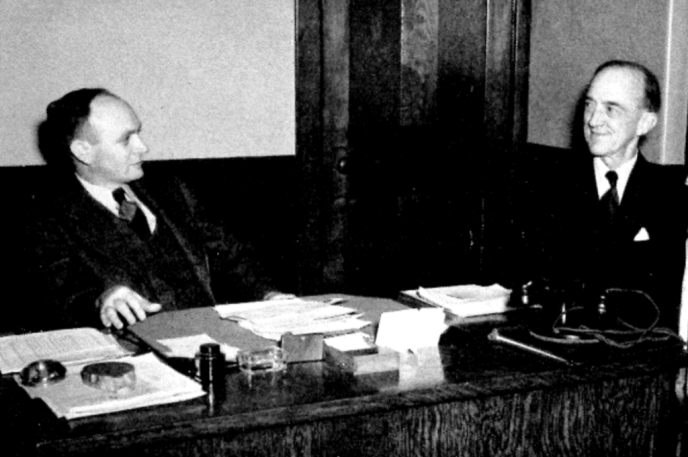
Harry Patrick Harding (right), 1941 courtesy of the Robinson-Spangler Carolina Room.

Behind the Vault Doors: Harry Patrick Harding Papers, 1917-1962

October 29, 2020

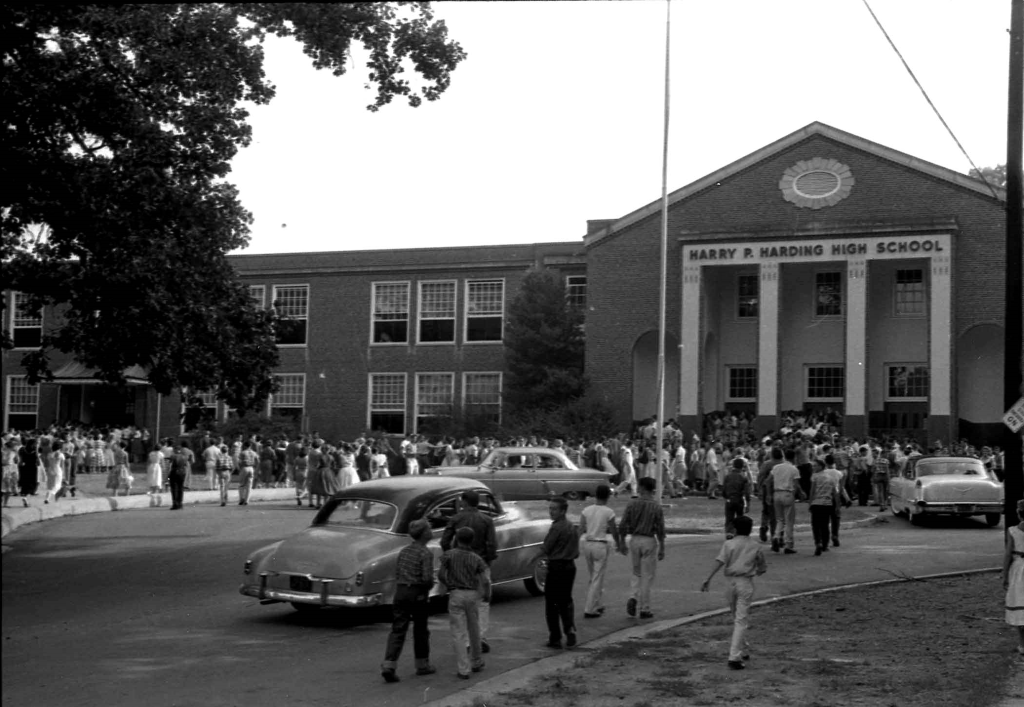
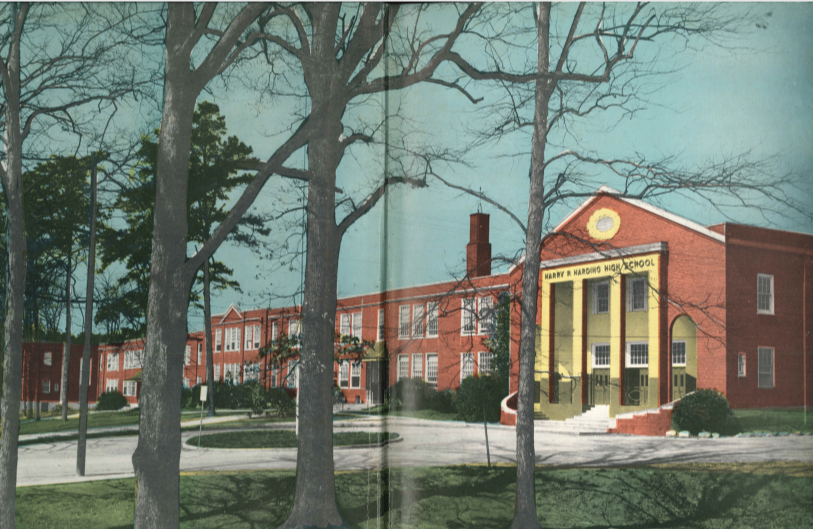
In 1935, Harding High School opened on Irwin Avenue. Its namesake was strongly against the use of his name, as he believed school buildings should not be named for living superintendents. However, the Parent Teacher Association (PTA) prevailed, and the school was named to honor Harry Patrick Harding (1874-1959) who served as the Charlotte School Superintendent from 1913-1949.  

The building remained a high school until 1961, when the Irwin Avenue building was designated a junior high school. The high school was moved to Alleghany Street, and was named Harding University High School the same year. The Irwin Avenue building later became an elementary school, and finally a Head Start Center. By the late 1980s, the building was demolished, except for the auditorium and gymnasium, and another structure was built to accommodate the Irwin Avenue Open Elementary School. 

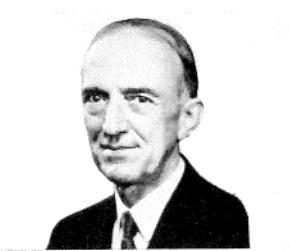
Harry Patrick Harding, 1940 

Born in Aurora, North Carolina, on August 14, 1874 to Confederate Army Major Henry H. and Susan Elizabeth Sugg Harding, Harry Patrick Harding was known for most of his life as “Harry” or “H.P.” He was one of eight children, although two died in infancy. Major Harding was a farmer and a delegate to the state House of Representatives during Harry’s early years. In 1885, the family moved to Greenville, where Major Harding became a teacher, and eventually spent four years as superintendent of the schools. Harry was educated at Greenville Male Academy and the University of North Carolina-Chapel Hill, where he graduated in 1899. In 1931, he received his Master of Arts degree from Columbia University, and an honorary doctorate from Davidson College in 1951. 

Courtesy of The Charlotte Observer, c1957 

After graduating from UNC, Harding became principal of New Bern High School. He left to organize the Oxford schools in 1901, but returned to New Bern as superintendent in 1902, and remained for two years. Then in 1904, Alexander Graham, superintendent of the Charlotte school system, recruited Harding to become principal of one of the graded schools. In 1912, Harding was appointed assistant superintendent, a position he held until succeeding Graham as superintendent the following year. Harding stayed in this position for 26 years, retiring in 1949. Following his retirement, he continued to maintain an office and visited schools as superintendent emeritus. 

Harding made great changes to the Charlotte school system during his tenure. He cared deeply about the students under his charge and was more interested in building the character and personality of a child, than teaching hard facts. Some of the strides Harding involved himself in included streamlining teaching in the high school by having teachers specialize in one subject; overseeing the first junior high school in North Carolina in 1923; adding elective courses to the curriculum to encourage and interest students in completing their educations; and persuading voters to approve special taxes and bonds in order to build better schools, supplement teachers’ salaries, and improve children's health. One of Harding’s most difficult challenges came in 1933-1934, when the state legislature annulled the charters that allowed cities to levy special taxes for the schools, which created huge deficits in the budget, loss of teachers, and reduction in instruction time. Harding was eventually able to get voters back on board in 1935, after approaching local businessmen to obtain their support.  

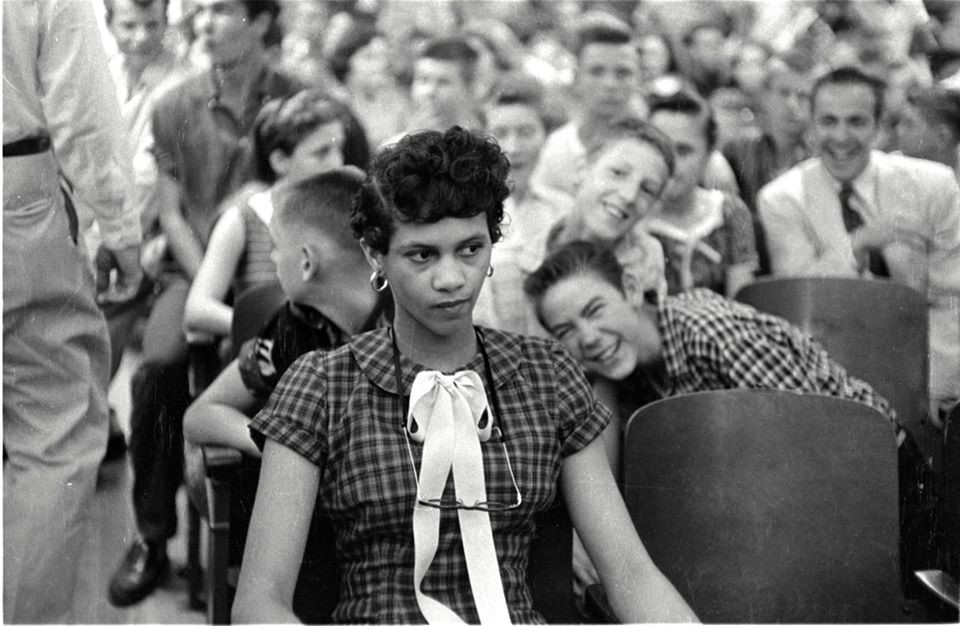
Dorothy Counts-Scoggins, first black student at Harding High School, 1957 

Despite the many positive contributions Harding made to CMS, he led a segregated system. CMS was segregated until 1957, when Dorothy Counts became the first black student to attend the all-white Harding High School. CMS largely continued to be segregated even after the Brown v. Board of Education ruling in May 1954. Until 1957, no black students attempted to attend an all-white school. Delores Huntley (one year at Alexander Graham Junior High), Girvaud Roberts (two years at Piedmont Junior High), Gus Roberts (graduated from Central High School in 1959), and Dorothy Counts (one year at Harding High School) all changed that in 1957 when they decided to enroll at white schools.  

By 1964, CMS had 88 segregated schools (57 white, 31 black), which ultimately led to one of the most significant court cases in our region’s history—Swann v. the Charlotte-Mecklenburg Board of Education. After many years of rulings, in 1970 Federal Judge James B. McManus ruled the CMS was not desegregated and demanded total integration.  


Harding High School, The Acorn, 1957 


In addition to his work as superintendent, Harding also served as a trustee of UNC, and was president of the North Carolina Association of City School Superintendents, of the South Piedmont Teachers Association, and of the North Carolina Education Association. He spent two summers teaching at UNC, served on the North Carolina High School Textbook Commission, and was a member of the Ninety-Six Club, which consisted of two superintendents from each state. Locally, he was a member of the Rotary Club, the Charlotte Chamber of Commerce, and the Executives Club.  

In his private life, Harding was a husband and father. He married Lucia Ella Ives (1876-1963) of New Bern in 1903. They had two children, Lucia Elizabeth (1908-1987), and a son, Harry P. Harding (1910-1911), who died in 1911 of ileocolitis, today known as Crohn’s disease, at just over a year old. The remaining five of Harding’s seven siblings held estimable positions as well. William Frederick Harding lived in Charlotte and was a Superior Court Judge, Fordyce C. Harding was a lawyer serving in the North Carolina Senate from 1915-1920, Jarvis B. Harding built roads in Mexico as a civil engineer, and their sisters, Sudie Harding Latham and Mary Elizabeth Harding, were teachers. 

Harry P. Harding died on July 13, 1959 of hypertensive cardiovascular disease. He is buried in Elmwood Cemetery in Charlotte, North Carolina.   

The Robinson-Spangler Carolina Room houses the Harry P. Harding Papers (1917-1962), which are only available for virtual research due to the COVID-19 crisis. Contact the Carolina Room’s Archivist for more information on how to access this collection: (704) 416-0150 or [email protected]

Thumbnail
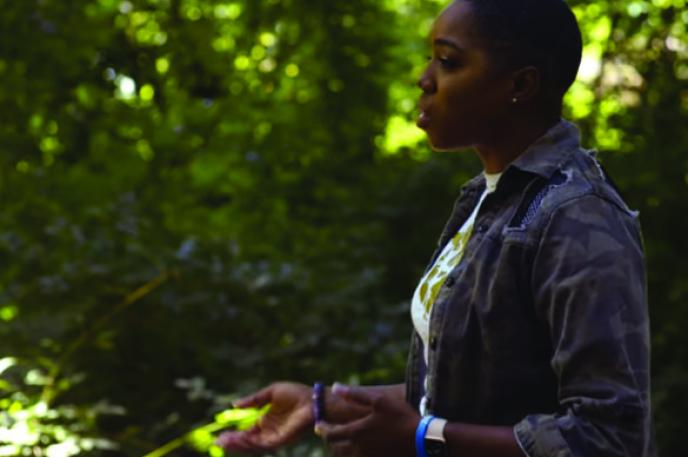
Pinnacle the Poet along with Black Ink Monks perform the spoken word Empower HER as part of the Charlotte Mecklenburg Library's Engage HER series.

Empower HER - Spoken Word featuring Pinnacle The Poet

November 2, 2020

Inheritance. I inherited my mother’s smile and her mother’s eyes. My mother’s ability to sway to a rhythm but struggle to stay on the 2s and 4s of the beat. I have inherited the ability to make a joyful noise but unsuccessful at harmonizing outside my own voice. The ability to create with my hands but not yet with my body. I have inherited her struggle. While I have inherited the will to move further than my mother and her mother and her mother’s mother, I have also inherited their intergenerational doubt.

Though doubt is the recessive gene, Uncle Sam does a good job of making sure it passes on to his unwilling victims. I must work harder; outwork my white counterparts to be heard and seen. Not too loud. Not visible. Not too intimidating. Just enough to grasp the scraps of Affirmative Action. Enough to be believable to them and me. Enough to power her and the ‘hers’ of tomorrow.

Pinnacle the Poet, along with Black Ink Monks, Johnson C. Smith University’s oldest-standing, non-Greek organization, provides us with a stinging verbal reality for Black women and the importance of voting. In the spoken word poem entitled EmpowerHER, Pinnacle the Poet, a 29-year-old Black woman, provides a gripping insight into what it is like to inherit fear and belief by being transparent and describing why she chooses this election year to vote for the first time in her life. The video also features commentary from Nicole Crump, who offers a summary of the statistics of Black women and their role, yet lack of representation, for the right to vote.

Written for Charlotte Mecklenburg Library’s, EngageHER: JCSU Edition event, the performance set the tone for the evening as we basked in the glory that is Black Girl Magic. The event was moderated by media personality “Chirl Girl,” with keynote speaker Congresswoman Alma Adams, Ph. D, and a host of influential women of color. EmpowerHER’s honest and revealing diction greatly summed up the evening by telling the familiar story of Black women as we celebrate the centennial of women’s right to vote – fighting for everyone else’s future while consciously placing ours in the backseat.

From Pinnacle the Poet depicting what it would have been like for her grandmother to vote at the age of 29, to Congresswoman Alma Adams, Ph.D. detailing her journey to public service after attending classes at North Carolina Agricultural and Technical State University (NCATSU), it was evident that Black women have something to celebrate after decades of constantly being left off of the ballot—the true definition of creating the table when no one offers you a seat. This poem serves as a great reminder that, while it is our duty to participate in something so basic, it is also our inherited responsibility to pursue change even when hope is bleak. 

Please enjoy this spoken word by Pinnacle the Poet and Black Ink Monks.


To see the full Engage HER with Johnson C. Smith University, click here.


In this election year, the Library is partnering with the Digital Public Library of America (DPLA) offering programs like this one to encourage everyone to look back at what has been accomplished in the past and to move forward with empowerment to make a difference in one's own community. To learn more about Engage 2020, click here.


This blog was written by Sabrina Robinson, Sr. Library Assistant - Teen Services at West Boulevard Library.