
The Color of Law: Justin Perry discusses libraries and equity
May 22, 2019
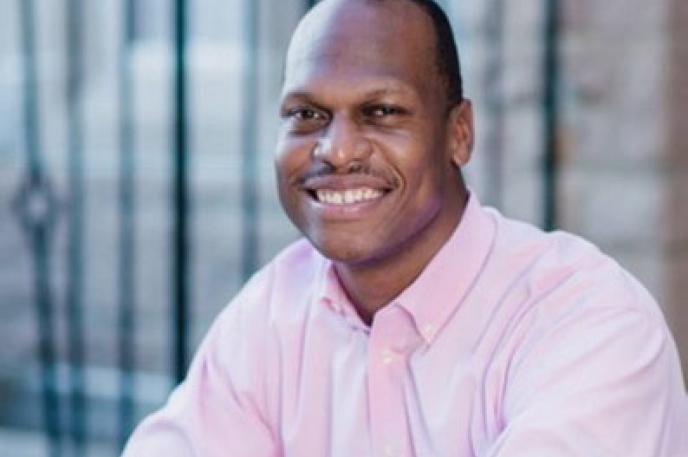
We asked Justin Perry to share his perspective on libraries, our city, and building a stronger community:
Born in Presbyterian hospital 38 years ago, a lot has changed in my hometown since 1980. It’s bigger and shinier, but also more divided in many ways.
We have a more picturesque skyline, more restaurants, and more big events. We also have more segregated schools, bigger gaps between haves and have nots, and greater social distance between different sets of people than ever.
However, as I walk down North Tryon Street in our rapidly growing uptown, I see a familiar face in a familiar place.
As I step into the Main Library, I see an Irwin Avenue Elementary classmate who recently began working there. We share an embrace and experience instant nostalgia.
Immediately after, I see two Charlottes up close and personal. One man with tattered clothes, and luggage likely carrying all of his possessions is flanked by another wearing a suit, topcoat, and cuff links that likely retail for more than his contemporary’s possessions. While I could cynically discuss the realities of such gaps, I’d like to acknowledge the beauty of this hub that was central to my childhood providing both men with free and equitable access.
From expanded internet access, hard copy and audiobook versions of literature, staff members willing and able to provide historical presentations with primary sources, programming for children, and supports for adults at various reading levels, there’s no shortage of free offerings from the Library to the public.
Unlike many parts of our society, the Library doesn’t focus on who you know, what “stock you come from,” or what you can offer it. The Library actually asks and answers the rare question of what it can do for you. In a society full of opportunities for division, the Library seeks to fill gaps that at times can seem overwhelming in a community that has just started facing some of these uncomfortable realities.
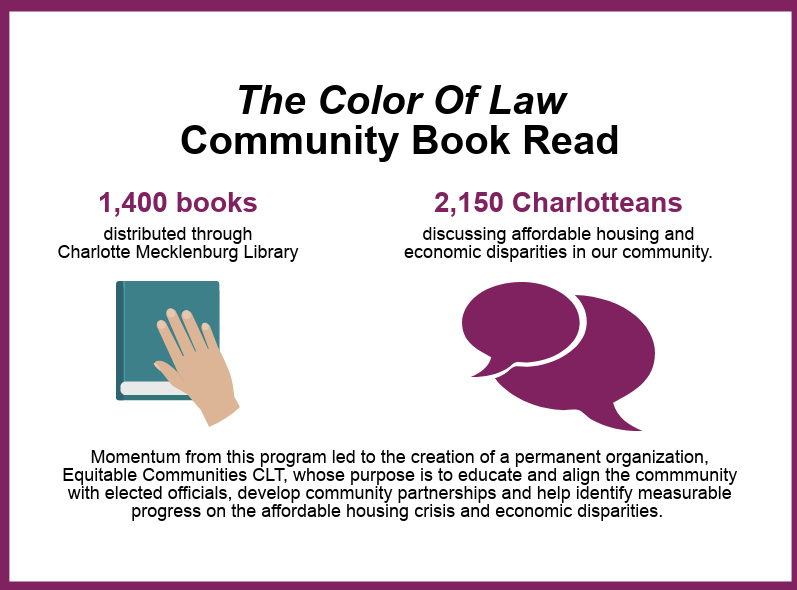 On a Monday winter night in January, 1,200-1,500 people of various racial, socioeconomic, age, and ZIP code backgrounds packed into a congregation and overflow of First Baptist Church West to see Richard Rothstein and local community members discuss our affordable housing crisis and Rothstein’s book The Color of Law, detailing our government’s segregation of our nation. This response doesn’t occur without Charlotte Mecklenburg Library freely distributing the book at their various regional locations throughout the community.
Our largely divided community took a step in coming together for shared knowledge and a vital movement. While it will take sustained commitment to grow more intentionally, a vital cog in that growth being more equitable will be investment in growing our free, public Charlotte Mecklenburg Library system.
--
Justin Perry is a therapist for people coping with mental health and substance use disorders. He is also an advocate and speaker on behalf of social justice and equity in education, housing and criminal justice throughout the Charlotte Mecklenburg region.

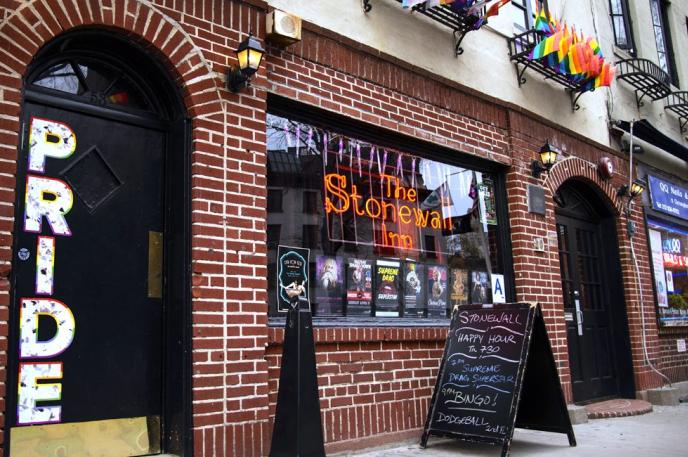
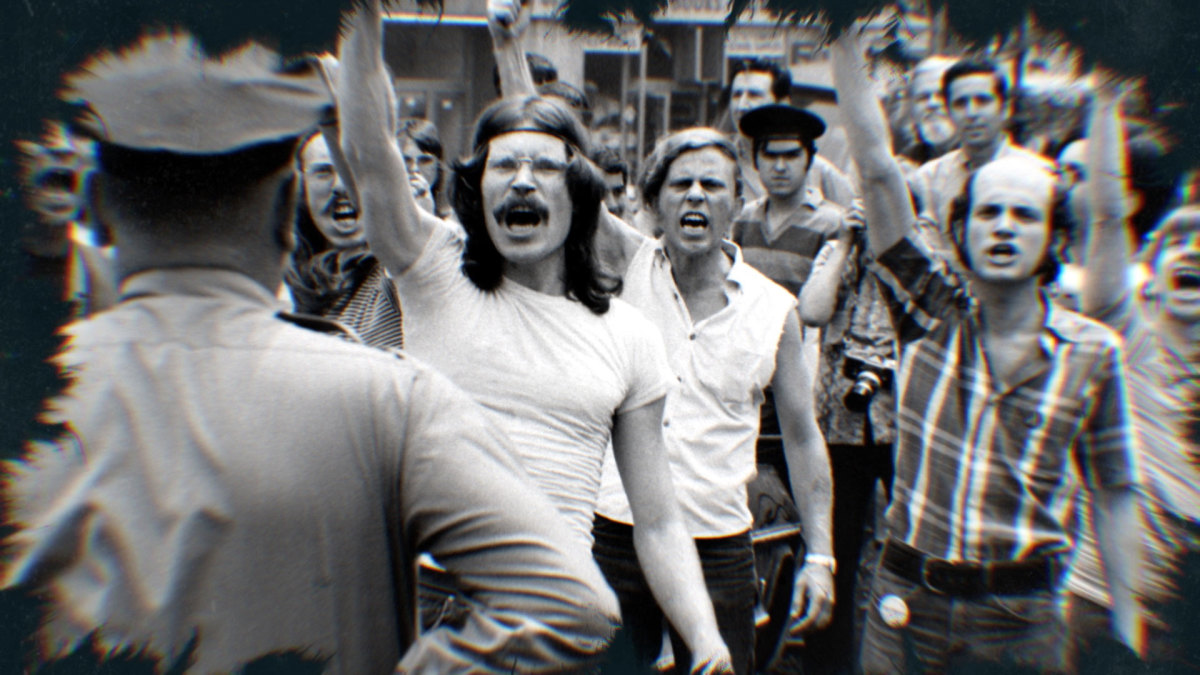 On June 28, 1969, the New York Police Department raided the historic Stonewall Inn, a gay bar, in Manhattan. Police raids on gay establishments were common in the 1950s and 1960s when social and political anti-gay and homophile efforts flourished. Gay bars were places of refuge where LGBT people could safely be in community without fear of public ridicule or police aggression. However, on that fateful morning, patrons of the Stonewall Inn decided to fight back against the police and the injustices against them. The week-long riots, which coincided with the civil rights and feminist movements, became the catalyzing moments that birthed the gay liberation movement.
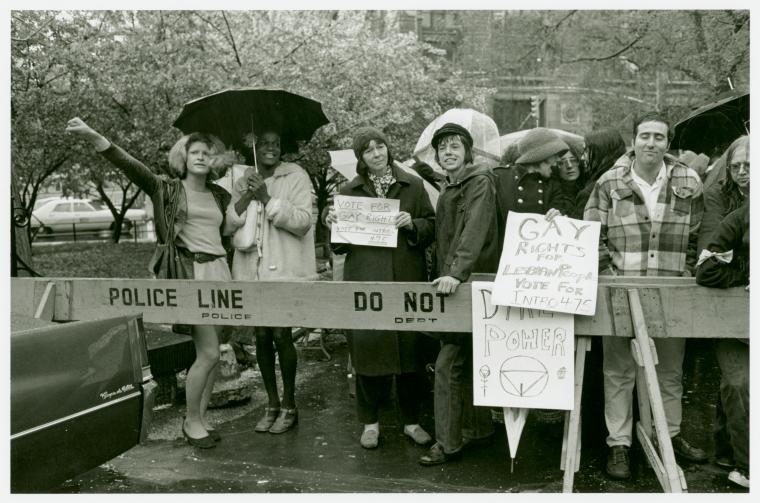 Just six months after the uprising at Stonewall, numerous grassroots gay and human rights organizations began to form across the U.S. such as the Gay Liberation Front (GLF) and the Gay Activists Alliance (GAA). Since the Stonewall riots, the LGBT community has made many strides against injustice. In October 1979, the first National March on Washington for Lesbian and Gay Rights took place in D.C. which drew an estimated attendance of 75,000-125,000 supporters. On March 2, 1982, Wisconsin became the first U.S. state to outlaw discrimination based on sexual orientation and in April 2015, the Supreme Court ruled that states cannot ban same-sex marriage. For a current list of LGBT rights, milestones and fast facts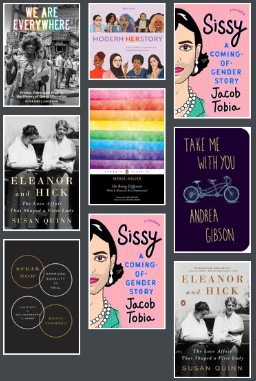



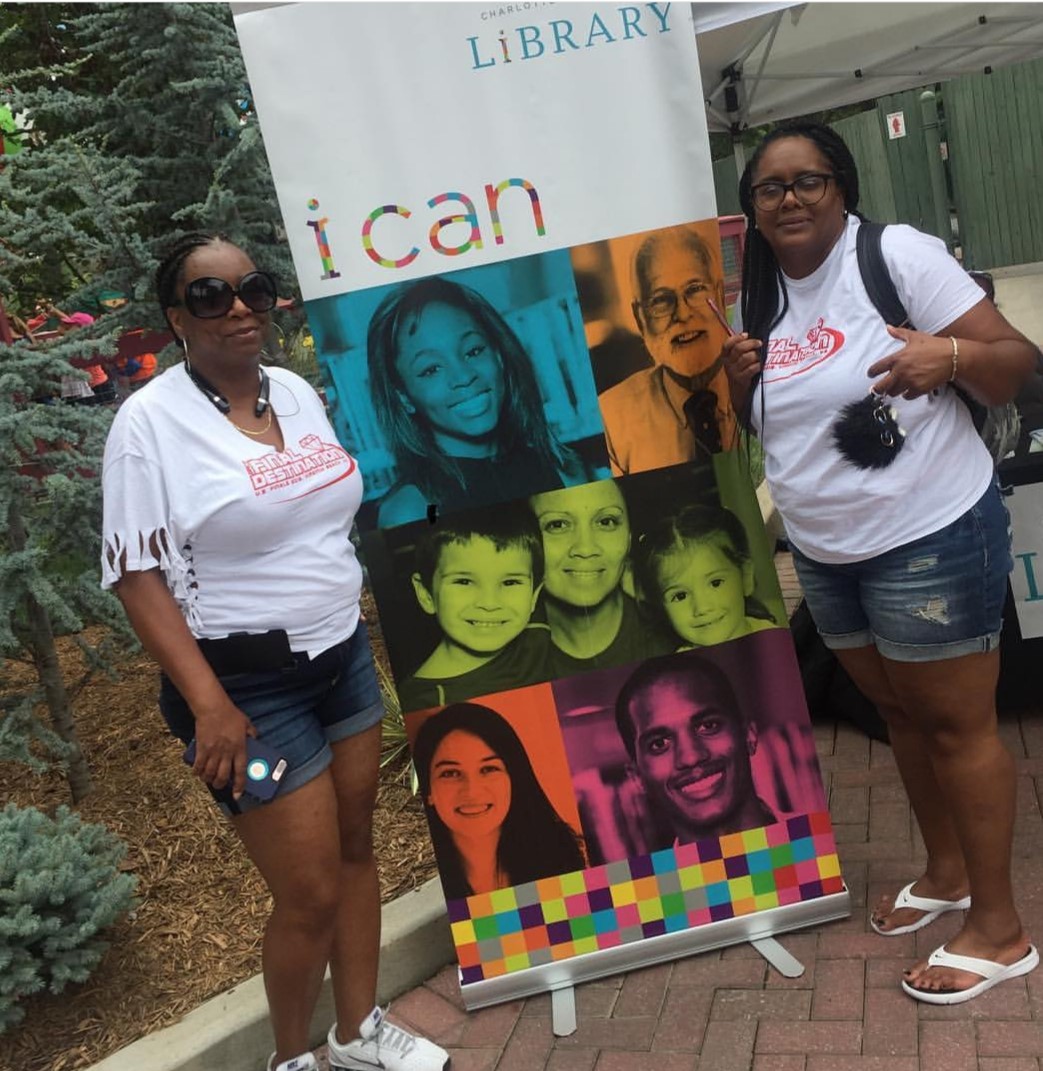 Want to purchase discounted tickets for the special Library Week? In 2018, hundreds of cardholders took advantage of this special promotion!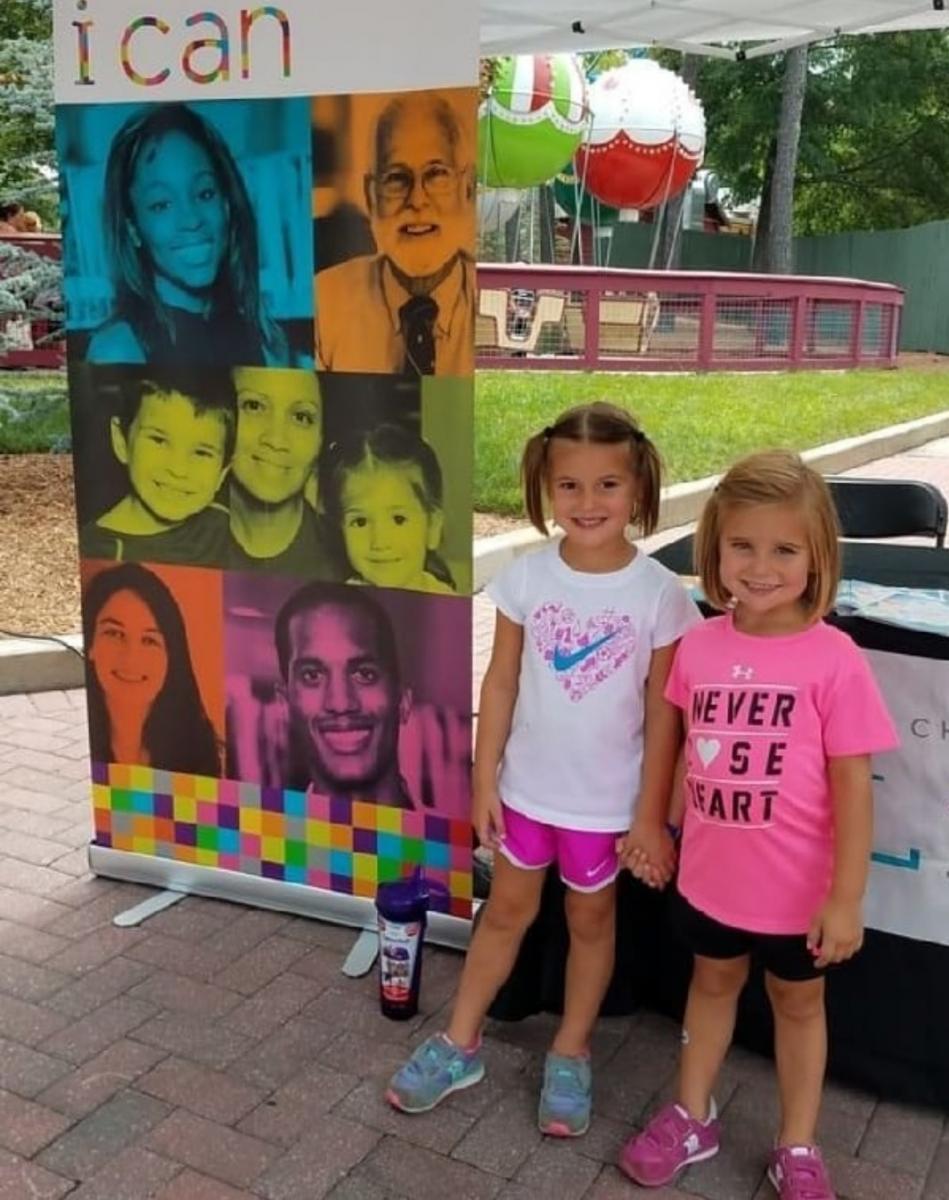
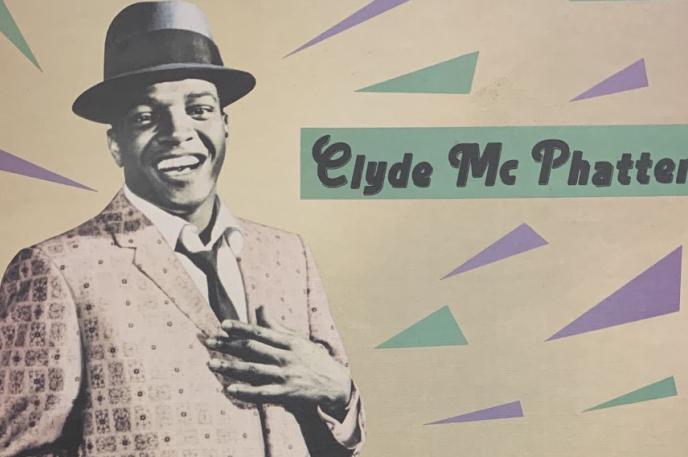

 Through the Charlotte Readers Podcast, Landis provides a platform where Charlotte-area authors, and those visiting the city, can “give voice to their written words” by reading or discussing their noteworthy works – published or emerging. Landis encourages guests to share stories and poems that evoke the emotions, followed by the kind of questions and answers that provide in-depth insight to the readings.